

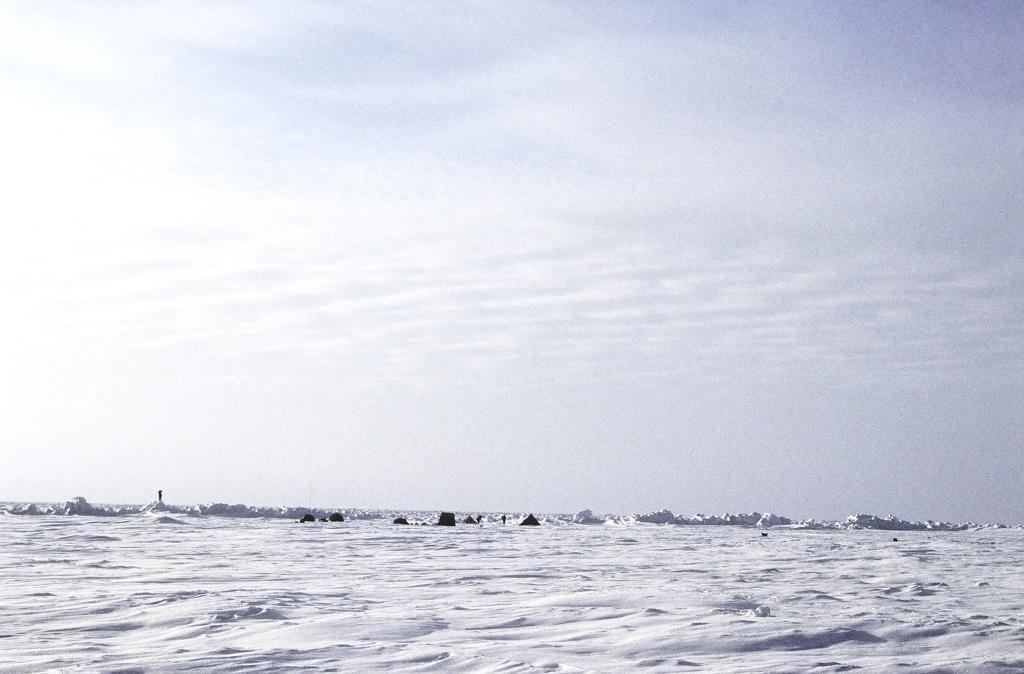
Every winter, the Arctic Ocean freezes into a vast white sheet, and every summer much of it melts away again. That seasonal rhythm has shaped life in the far north for thousands of years, giving seals places to rest and hunt, giving polar bears platforms from which to catch them, and giving algae a home on the underside of the ice. In recent decades, however, the summer ice has been shrinking, and the ice that remains is thinner and younger than it used to be. Researchers tracking the change with satellites and field measurements say the loss is reshaping the whole Arctic food web. Open water absorbs more sunlight than ice, warming the ocean further, while the timing of algal blooms shifts, affecting the tiny animals that feed fish, seabirds and whales. For Arctic communities, the change is not abstract. Thinner ice makes travel and hunting more dangerous, and the animals people have relied on for generations are moving to new grounds.
What the Evidence Shows
Scientists are studying the new Arctic from ships, aircraft and drifting research stations, measuring how light, temperature and nutrients move through open water compared with ice-covered seas. Early results show that some species benefit from longer ice-free seasons, while others that depend on the ice itself are losing habitat. Plankton blooms now arrive earlier in some regions, and fish that once stayed further south are appearing in northern waters, changing what is available for seabirds and marine mammals. Researchers are also tracking how the loss of reflective ice feeds back into warming, since dark water absorbs heat that bright ice would have sent back to space. The work matters beyond the Arctic, because the region influences weather patterns far to the south. Understanding exactly how fast the ice is changing, and what follows from it, has become one of the most closely watched questions in climate science. Reporting and analysis from sources such as NASA track the same developments, and specialists following the shrinking Arctic sea ice say the direction is now consistent across independent lines of evidence.
The Wider Context
Funding bodies are watching the shrinking Arctic sea ice closely because the work sits at the junction of basic curiosity and practical return. Grant panels increasingly ask for a path from discovery to application, while researchers push back that the most valuable uses of fundamental science are rarely the ones written into the original proposal. The tension is productive when both sides stay honest about timescales.
What Happens Next
The long view on the shrinking Arctic sea ice is that fields advance by accumulation rather than by single announcements. This result adds a solid, checkable piece to a structure many teams are building, and its authors have shared their data so the piece can be tested from every side. That is how the picture eventually becomes reliable enough to act on. You can follow related developments in our coverage of science.
It is also worth remembering how quickly the picture in this area has changed before. Positions that looked settled a few years ago have been revised as new data arrived, and the same humility is appropriate now. The strongest coverage of this subject, and the most useful advice, tends to come from sources that update their views openly when the facts move, rather than defending an earlier position long after it has stopped fitting the evidence available.
