

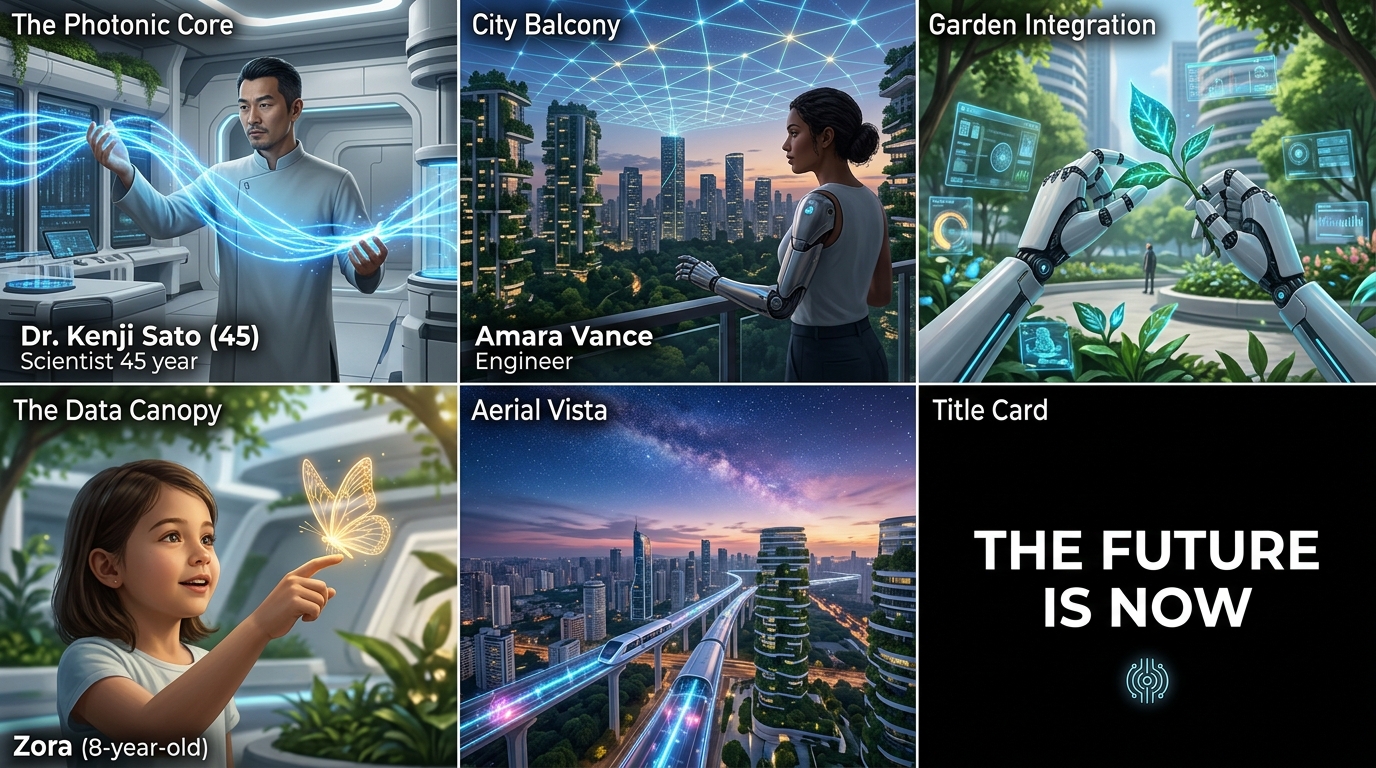
Technology has become the foundation of modern progress, influencing nearly every aspect of daily life. From communication and healthcare to education and business, advanced technologies are transforming how people live, work, and interact. As innovation continues to accelerate, societies around the world increasingly rely on technological solutions to address challenges, improve efficiency, and create opportunities. The future is being shaped by the decisions and technological advancements made today, making innovation a crucial driver of long-term growth and development.
Technological Innovation Driving Progress
Artificial Intelligence Development
Artificial intelligence is revolutionizing industries by automating processes, analyzing complex data, and improving decision-making. Businesses, healthcare providers, and educational institutions use AI to enhance efficiency and productivity. As AI technology advances, it continues creating innovative solutions that support economic growth and improve everyday experiences worldwide.
Machine Learning Applications
Machine learning enables systems to learn from data and improve performance without constant human intervention. Organizations use these technologies to predict trends, personalize services, and optimize operations. The growing adoption of machine learning demonstrates its importance in building smarter and more responsive technological environments globally.
Robotics and Automation
Robotics technology is transforming manufacturing, logistics, and healthcare sectors. Automated systems perform repetitive tasks with speed and accuracy, reducing operational costs and increasing productivity. These innovations help organizations remain competitive while supporting safer and more efficient workplaces across multiple industries and regions.
Quantum Computing Research
Quantum computing represents a major advancement in processing power and computational capabilities. Researchers explore its potential for solving complex problems beyond traditional computers. As development continues, quantum technology may transform fields such as cybersecurity, scientific research, and advanced data analysis significantly.
Emerging Digital Solutions
New digital technologies continuously reshape industries by introducing innovative tools and services. These solutions improve communication, streamline operations, and enhance customer experiences. Their rapid development highlights the growing role of technology in supporting economic progress and addressing evolving societal needs effectively.
Smart Infrastructure and Connectivity
Advanced Communication Networks
Modern communication networks enable faster and more reliable connections between people and devices. High-speed internet and advanced telecommunications support digital transformation across industries. Improved connectivity enhances collaboration, information sharing, and access to essential services for individuals and organizations worldwide today.
Internet of Things Expansion
The Internet of Things connects devices through intelligent networks that exchange data automatically. Smart systems improve monitoring, efficiency, and decision-making across homes, businesses, and cities. This growing ecosystem creates opportunities for innovation while enhancing convenience and operational effectiveness in daily life.
Smart City Development
Cities increasingly adopt technology to improve transportation, public services, and resource management. Smart city initiatives use data and automation to address urban challenges efficiently. These developments support sustainable growth, enhance quality of life, and create more connected communities for future generations.
Intelligent Transportation Systems
Advanced transportation technologies improve mobility through smart navigation, traffic management, and automated solutions. These systems reduce congestion, enhance safety, and optimize travel experiences. Their continued evolution supports efficient transportation networks that meet the demands of growing populations and modern economies.
Digital Infrastructure Investment
Strong digital infrastructure provides the foundation for technological advancement and economic development. Investments in networks, data centers, and connectivity solutions support innovation across sectors. Reliable infrastructure ensures communities can access modern technologies and participate fully in the digital economy.
Transforming Education Through Technology
Online Learning Opportunities
Digital learning platforms provide flexible access to education for students worldwide. Learners can study at their own pace while accessing diverse educational resources. Online learning expands opportunities, supports lifelong education, and removes many traditional barriers to academic and professional development.
Virtual Classroom Experiences
Virtual classrooms create engaging educational environments through real-time communication and collaboration tools. Students participate in lessons regardless of location, ensuring educational continuity. These platforms support interactive learning experiences that promote knowledge sharing and academic achievement across diverse educational settings.
Educational Technology Tools
Technology tools enhance learning through interactive content, assessments, and personalized educational experiences. Teachers use digital resources to improve instruction and student engagement. These innovations contribute to more effective learning outcomes while supporting the evolving needs of modern education systems.
Digital Skill Development
Technology encourages the development of digital skills essential for future careers. Individuals learn coding, data analysis, and technological literacy through online resources and training programs. These skills prepare learners for emerging opportunities in increasingly technology-driven industries and workplaces worldwide.
Research and Information Access
Digital resources provide instant access to extensive educational and research materials. Students, educators, and professionals benefit from searchable databases and online libraries. Easy access to information supports informed decision-making, independent learning, and innovation across academic and professional environments.
Healthcare Innovation and Advancement
Telemedicine Services Growth
Telemedicine enables remote healthcare consultations through digital communication platforms. Patients receive medical guidance without extensive travel, improving accessibility and convenience. This technology supports efficient healthcare delivery while expanding access to professional medical services in underserved communities.
Wearable Health Technology
Wearable devices monitor health metrics such as activity levels, heart rate, and sleep quality. These technologies provide valuable insights that encourage healthier lifestyles. Continuous monitoring supports preventive healthcare and helps individuals make informed decisions regarding their overall wellbeing.
AI-Assisted Medical Care
Artificial intelligence enhances healthcare by supporting diagnostics, treatment planning, and patient management. Healthcare professionals use AI-powered tools to improve accuracy and efficiency. These advancements contribute to better patient outcomes while helping medical systems address increasing healthcare demands effectively.
Electronic Health Records
Digital health records simplify the management and sharing of patient information. Healthcare providers access accurate data quickly, improving coordination and treatment quality. Electronic records enhance efficiency, reduce administrative burdens, and support more informed healthcare decision-making processes.
Remote Patient Monitoring
Remote monitoring systems allow healthcare professionals to track patient conditions continuously. Real-time data collection enables early intervention and improved treatment management. Patients benefit from enhanced care, greater convenience, and reduced reliance on frequent hospital visits or appointments.
Technology in Business and Industry
Digital Transformation Strategies
Businesses adopt digital technologies to improve operations, customer engagement, and competitiveness. Transformation initiatives streamline processes and support innovation. Organizations that embrace technological change position themselves for long-term success in rapidly evolving markets and economic environments globally.
Automation and Efficiency
Automation technologies reduce manual workloads and improve operational performance. Businesses benefit from increased productivity, lower costs, and enhanced accuracy. These systems enable organizations to focus resources on strategic objectives while maintaining consistent service quality and operational excellence.
Data Analytics Applications
Data analytics helps organizations understand trends, customer behavior, and business performance. Advanced analytical tools transform raw information into actionable insights. This capability supports informed decision-making and allows businesses to adapt quickly to changing market conditions and opportunities.
Cloud Computing Solutions
Cloud technology provides scalable access to computing resources and digital services. Organizations store data securely and collaborate efficiently across locations. Cloud solutions support flexibility, reduce infrastructure costs, and enable businesses to respond effectively to evolving operational requirements.
Cybersecurity Advancements
Cybersecurity technologies protect digital assets from unauthorized access and online threats. Security systems help organizations maintain trust and operational continuity. As digital dependence increases, robust cybersecurity measures become increasingly important for safeguarding information and technological infrastructure.
Sustainable Technology for the Future
Renewable Energy Innovations
Advanced technologies support renewable energy production through improved solar, wind, and storage solutions. These innovations reduce dependence on traditional energy sources. Sustainable energy technologies contribute to environmental protection while supporting long-term economic and social development goals globally.
Smart Energy Management
Smart energy systems optimize resource consumption through monitoring and automation. These technologies improve efficiency while reducing waste and operational costs. Enhanced energy management supports sustainability initiatives and encourages responsible use of valuable natural resources.
Green Manufacturing Practices
Technology enables environmentally friendly manufacturing processes that minimize waste and emissions. Advanced production systems improve efficiency while reducing environmental impact. Sustainable manufacturing supports business growth and environmental responsibility, creating benefits for industries and communities alike.
Resource Optimization Technologies
Innovative technologies help organizations maximize resource utilization and reduce unnecessary consumption. Data-driven systems identify opportunities for improvement and efficiency. These solutions support sustainability objectives while maintaining productivity and competitiveness across multiple sectors and industries.
Environmental Monitoring Systems
Digital monitoring technologies track environmental conditions and support conservation efforts. Real-time data collection helps organizations address environmental challenges proactively. These systems contribute to informed decision-making and encourage sustainable practices that protect ecosystems and natural resources.
Preparing for a Technology-Driven Future
Workforce Adaptation
As technology evolves, workers must develop new skills to remain competitive. Continuous learning and professional development help individuals adapt to changing industry requirements. A skilled workforce supports innovation and ensures societies can fully benefit from technological advancements.
Innovation-Focused Education
Educational systems increasingly emphasize creativity, problem-solving, and technological literacy. These skills prepare students for future opportunities and challenges. Innovation-focused education encourages adaptability and supports long-term economic growth within technology-driven environments and industries.
Global Digital Collaboration
Technology enables collaboration between individuals and organizations across geographical boundaries. Digital communication tools support knowledge sharing and innovation. Increased collaboration accelerates progress while fostering international partnerships that address global challenges and opportunities effectively.
Ethical Technology Development
Responsible innovation ensures technology benefits society while minimizing potential risks. Ethical considerations guide the design and implementation of advanced systems. Balancing innovation with accountability helps build public trust and supports sustainable technological progress for future generations.
Long-Term Technological Vision
A forward-looking approach to technology encourages strategic planning and investment. Governments, businesses, and institutions work together to support innovation and growth. Long-term vision ensures technological advancements contribute positively to economic development, social wellbeing, and global progress.
Technology Impact Comparison
| Sector | Key Advancement | Future Benefit |
|---|---|---|
| Education | Digital Learning | Wider access to knowledge |
| Healthcare | AI Diagnostics | Better patient outcomes |
| Business | Automation | Increased productivity |
| Energy | Renewable Solutions | Environmental sustainability |
| Transportation | Smart Systems | Improved mobility |
| Communication | Advanced Networks | Faster connectivity |
| Industry | Robotics | Greater efficiency |
Why does the future depend on advanced technology today?
Advanced technology creates the foundation for future innovation, economic growth, and improved living standards.
How is technology shaping future industries?
Technology improves efficiency, automation, connectivity, and innovation across nearly all sectors.
What role does artificial intelligence play in the future?
Artificial intelligence supports smarter decisions, automation, and advanced problem-solving capabilities.
Why is digital infrastructure important?
Digital infrastructure enables connectivity, supports innovation, and strengthens economic development.
How can societies prepare for future technologies?
Societies can invest in education, digital skills, infrastructure, and responsible innovation practices.
Conclusion
The future depends on advanced technology today because innovation drives progress across education, healthcare, business, energy, and communication. Modern technological solutions create opportunities, improve efficiency, and address global challenges. By investing in advanced technologies and developing digital skills, societies can build a more connected, sustainable, and prosperous future that benefits generations to come worldwide.
