

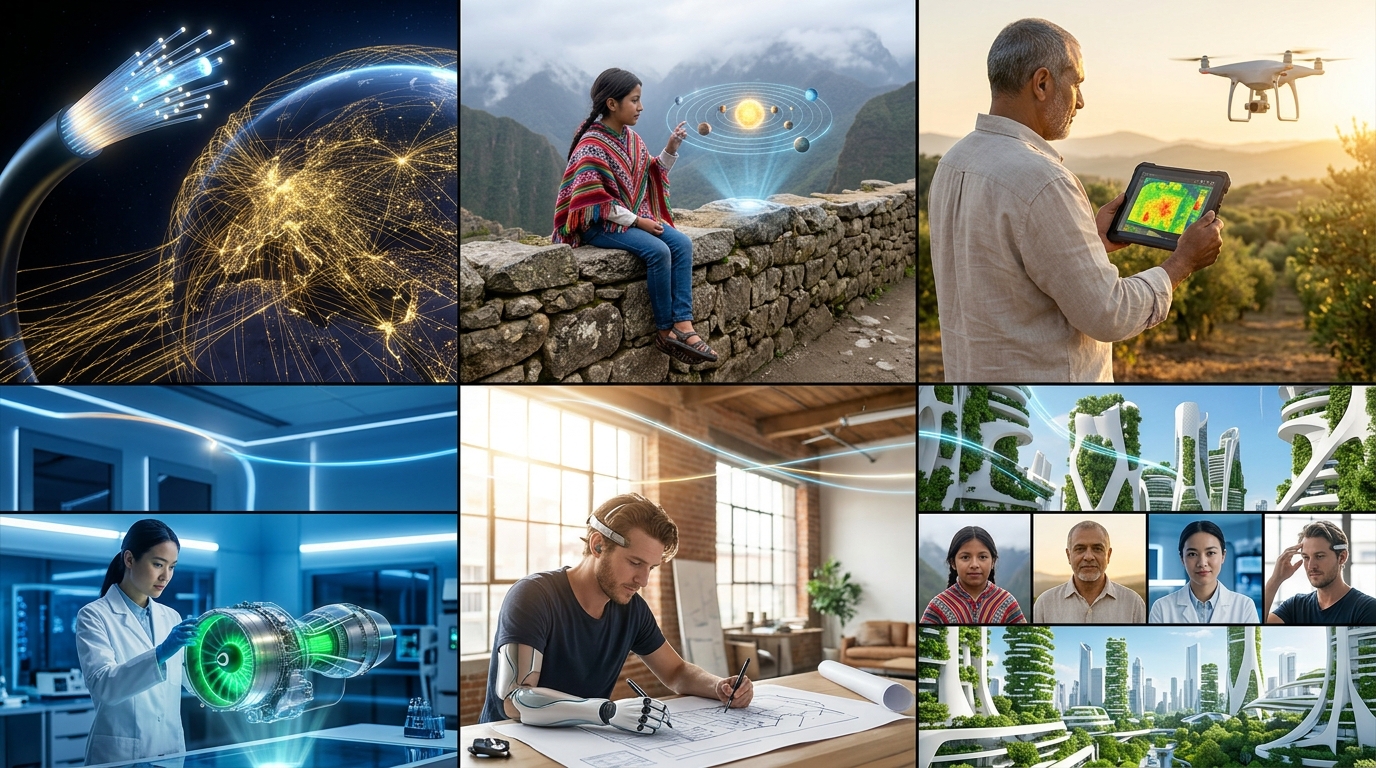
Modern technology has transformed the way people live, work, learn, and interact with the world around them. From advanced communication tools and digital education platforms to innovative healthcare solutions and business technologies, technological progress continues to open doors for individuals and organizations alike. As technology becomes more accessible, it creates countless opportunities for personal growth, economic development, and social advancement. Today, people from different backgrounds can benefit from digital innovations that enhance productivity, improve connectivity, and support long-term success in various aspects of life.
Expanding Access to Education
Online Learning Platforms
Online learning platforms provide students and professionals with flexible educational opportunities regardless of location. Learners can access courses, certifications, and training programs at their convenience. These platforms help individuals gain valuable knowledge, develop new skills, and pursue career advancement through accessible digital education resources.
Virtual Classroom Experiences
Virtual classrooms connect educators and learners through interactive digital environments. Students participate in live lessons, discussions, and collaborative activities without geographical limitations. These learning experiences support educational continuity, encourage engagement, and provide opportunities for individuals who may not access traditional classroom settings.
Mobile Learning Applications
Educational mobile applications allow users to study anytime and anywhere using smartphones or tablets. These apps offer lessons, quizzes, and interactive content that support continuous learning. Mobile education increases convenience while helping learners improve knowledge retention and achieve educational goals effectively.
Digital Research Resources
Online libraries and research databases provide instant access to extensive information across numerous subjects. Students, researchers, and professionals benefit from organized digital resources that simplify learning and investigation. Easy access to reliable information supports informed decisions and encourages academic and professional development.
Skill Development Programs
Technology-based training programs help individuals acquire practical skills relevant to modern industries. Online workshops, tutorials, and certification courses support professional growth. These opportunities enable learners to remain competitive in evolving job markets while enhancing their expertise and career prospects significantly.
Improving Communication and Connectivity
Instant Messaging Services
Modern messaging platforms allow users to communicate instantly through text, images, voice messages, and videos. These services strengthen personal and professional relationships by making communication faster and more convenient. Instant connectivity helps people stay informed and connected regardless of physical distance.
Video Conferencing Technology
Video conferencing enables real-time face-to-face communication across different locations. Businesses, educational institutions, and families use these tools for collaboration and interaction. This technology reduces travel requirements, saves time, and enhances communication efficiency while supporting global connectivity and cooperation.
Social Media Networking
Social media platforms provide opportunities for individuals to share ideas, build communities, and connect with broader audiences. Users engage with content, exchange information, and establish professional networks. These platforms create valuable opportunities for communication, personal branding, and business promotion worldwide.
Cloud-Based Collaboration
Cloud technology supports seamless collaboration by allowing users to access files and communication tools from multiple devices. Teams work together efficiently regardless of location. This flexibility enhances productivity, improves project management, and enables organizations to adapt to changing workplace requirements effectively.
AI Communication Tools
Artificial intelligence improves communication through translation services, voice recognition, and automated assistance. These technologies help users communicate across language barriers and streamline interactions. AI-powered tools enhance accessibility while making communication faster, more accurate, and increasingly convenient for global audiences.
Technology and Career Growth
Remote Work Opportunities
Technology enables professionals to work from virtually any location using digital tools and communication platforms. Remote work increases flexibility, supports work-life balance, and expands employment opportunities. Organizations also benefit by accessing talent from diverse geographical regions without traditional workplace limitations.
Freelancing and Digital Services
Digital platforms allow individuals to offer services and expertise to clients worldwide. Freelancers can work in fields such as writing, design, programming, and consulting. These opportunities create alternative income sources while enabling professionals to build independent and flexible careers successfully.
Entrepreneurship and Innovation
Technology empowers entrepreneurs by providing access to digital tools, online marketplaces, and business resources. Individuals can launch startups with lower costs and broader reach. These opportunities encourage innovation, support economic growth, and help businesses connect with customers more efficiently.
Professional Networking Platforms
Online networking platforms connect professionals across industries and regions. Users build relationships, discover career opportunities, and exchange knowledge with peers. These digital networks support career advancement while helping individuals remain informed about industry trends and professional development possibilities.
Digital Skill Enhancement
Technology provides access to resources that help professionals improve technical and workplace skills. Continuous learning opportunities support adaptability in changing industries. Developing digital competencies increases employability and prepares individuals for emerging roles within technology-driven economies and workplaces.
Advancing Healthcare Accessibility
Telemedicine Services
Telemedicine allows patients to consult healthcare professionals remotely using digital communication tools. This technology improves healthcare accessibility, particularly for individuals in remote areas. Virtual consultations save time, reduce travel needs, and provide convenient access to medical support and guidance.
Wearable Health Technology
Wearable devices track health indicators such as heart rate, activity levels, and sleep patterns. These technologies help users monitor wellbeing and make informed lifestyle decisions. Continuous health monitoring supports preventive care and encourages healthier habits through real-time data insights.
Electronic Health Records
Digital medical records simplify patient information management and improve healthcare efficiency. Healthcare providers access accurate data quickly, supporting better treatment decisions. Electronic records enhance coordination among medical professionals while reducing paperwork and improving overall healthcare delivery systems.
AI-Assisted Diagnostics
Artificial intelligence supports healthcare professionals by analyzing medical data and identifying patterns. AI-powered diagnostic tools improve accuracy and speed in medical assessments. These technologies contribute to better patient outcomes while helping healthcare providers manage increasing demands effectively.
Remote Patient Monitoring
Remote monitoring systems enable healthcare providers to track patient conditions outside clinical environments. Real-time health data supports early intervention and effective treatment management. Patients benefit from improved convenience, continuous supervision, and reduced dependence on frequent hospital visits.
Enhancing Business and Productivity
Automation Technologies
Automation systems perform repetitive tasks efficiently and accurately. Businesses use these technologies to improve productivity, reduce operational costs, and enhance service quality. Automation allows organizations to focus on strategic objectives while maintaining consistent performance across various operational activities.
Data Analytics Solutions
Data analytics helps organizations understand customer behavior, market trends, and business performance. Advanced analytical tools transform information into valuable insights. These solutions support informed decision-making and enable businesses to identify opportunities for growth and operational improvement effectively.
Cloud Computing Services
Cloud computing provides flexible access to digital resources and storage solutions. Organizations benefit from scalable infrastructure, improved collaboration, and reduced technology costs. Cloud services support innovation while enabling businesses to respond efficiently to changing operational and market demands.
Digital Marketing Opportunities
Technology enables businesses to reach target audiences through online advertising, social media campaigns, and content marketing. Digital marketing increases brand visibility and customer engagement. These opportunities help organizations expand their reach and achieve business objectives more effectively.
Cybersecurity Protection
Cybersecurity technologies protect digital systems and sensitive information from online threats. Businesses rely on security measures to maintain trust and operational stability. Strong cybersecurity practices safeguard valuable assets while supporting secure digital interactions and technological advancement.
Smart Living and Daily Convenience
Home Automation Systems
Smart home technology allows users to control lighting, appliances, and security systems through connected devices. Automation improves convenience, energy efficiency, and household management. These technologies simplify daily routines while providing greater comfort and control within modern living environments.
Intelligent Security Solutions
Advanced security systems use smart cameras, sensors, and monitoring tools to enhance property protection. Real-time alerts and remote access improve safety and awareness. These solutions provide homeowners with greater confidence and more effective ways to manage residential security.
Smart Energy Management
Technology helps households monitor and optimize energy consumption through intelligent systems. Automated controls reduce waste and improve efficiency. Smart energy management lowers utility costs while supporting environmentally responsible practices and sustainable resource utilization in everyday life.
Voice-Controlled Technology
Voice assistants allow users to perform tasks through simple spoken commands. These systems manage schedules, control devices, and provide information instantly. Voice-controlled technology improves accessibility and convenience while creating more efficient interactions between people and digital systems.
Connected Household Devices
Connected appliances communicate with other smart devices to improve functionality and performance. These technologies streamline household tasks and enhance user experiences. Integrated systems save time while providing practical solutions that support modern lifestyles and daily convenience.
Building a Technology-Driven Future
Artificial Intelligence Innovation
Artificial intelligence continues creating opportunities across industries through automation, analytics, and intelligent decision-making. AI-driven solutions improve efficiency and support innovation. As development progresses, artificial intelligence will play an increasingly important role in shaping future economic and social advancement.
Internet of Things Growth
The Internet of Things connects devices through intelligent networks that share information automatically. This connectivity improves monitoring, efficiency, and operational performance. Expanding IoT ecosystems create new opportunities for innovation while enhancing convenience across homes, businesses, and communities.
Sustainable Technology Solutions
Modern technology supports environmental sustainability through energy-efficient systems and resource optimization. Sustainable innovations reduce environmental impact while maintaining productivity. These solutions contribute to long-term ecological responsibility and support efforts to create a more sustainable future.
Digital Inclusion Initiatives
Technology initiatives aim to expand access to digital resources and opportunities for underserved populations. Increased connectivity supports education, employment, and communication. Digital inclusion promotes equal access to technological benefits while helping communities participate in the modern digital economy.
Future Workforce Development
Preparing future generations for technology-driven careers requires continuous education and skill development. Training programs help individuals adapt to evolving workplace demands. Workforce development initiatives ensure people can take advantage of emerging opportunities created by technological innovation and progress.
Technology Opportunities Overview
| Area | Opportunity Created | Key Benefit |
|---|---|---|
| Education | Online Learning | Greater knowledge access |
| Communication | Global Connectivity | Faster interactions |
| Careers | Remote Work | Flexible employment |
| Healthcare | Digital Services | Better accessibility |
| Business | Automation | Improved productivity |
| Smart Living | Home Technology | Daily convenience |
| Future Growth | Innovation | Long-term development |
How does modern technology create opportunities for everyone?
Technology provides access to education, employment, communication, healthcare, and business opportunities worldwide.
Why is technology important for career development?
Technology helps individuals gain skills, access jobs, and connect with professional opportunities globally.
How does technology improve education?
Technology makes learning more accessible through online courses, virtual classrooms, and digital resources.
What role does technology play in business growth?
Technology improves productivity, communication, marketing, and decision-making for organizations.
How will future technologies benefit society?
Future technologies will enhance innovation, sustainability, efficiency, and overall quality of life.
Conclusion
Modern technology creates new opportunities for everyone by expanding access to education, improving communication, supporting career growth, enhancing healthcare, and increasing business productivity. As innovation continues to evolve, individuals and organizations can benefit from greater connectivity, efficiency, and accessibility. Embracing technological advancements today helps build a future filled with opportunity, progress, and sustainable development for all.
