

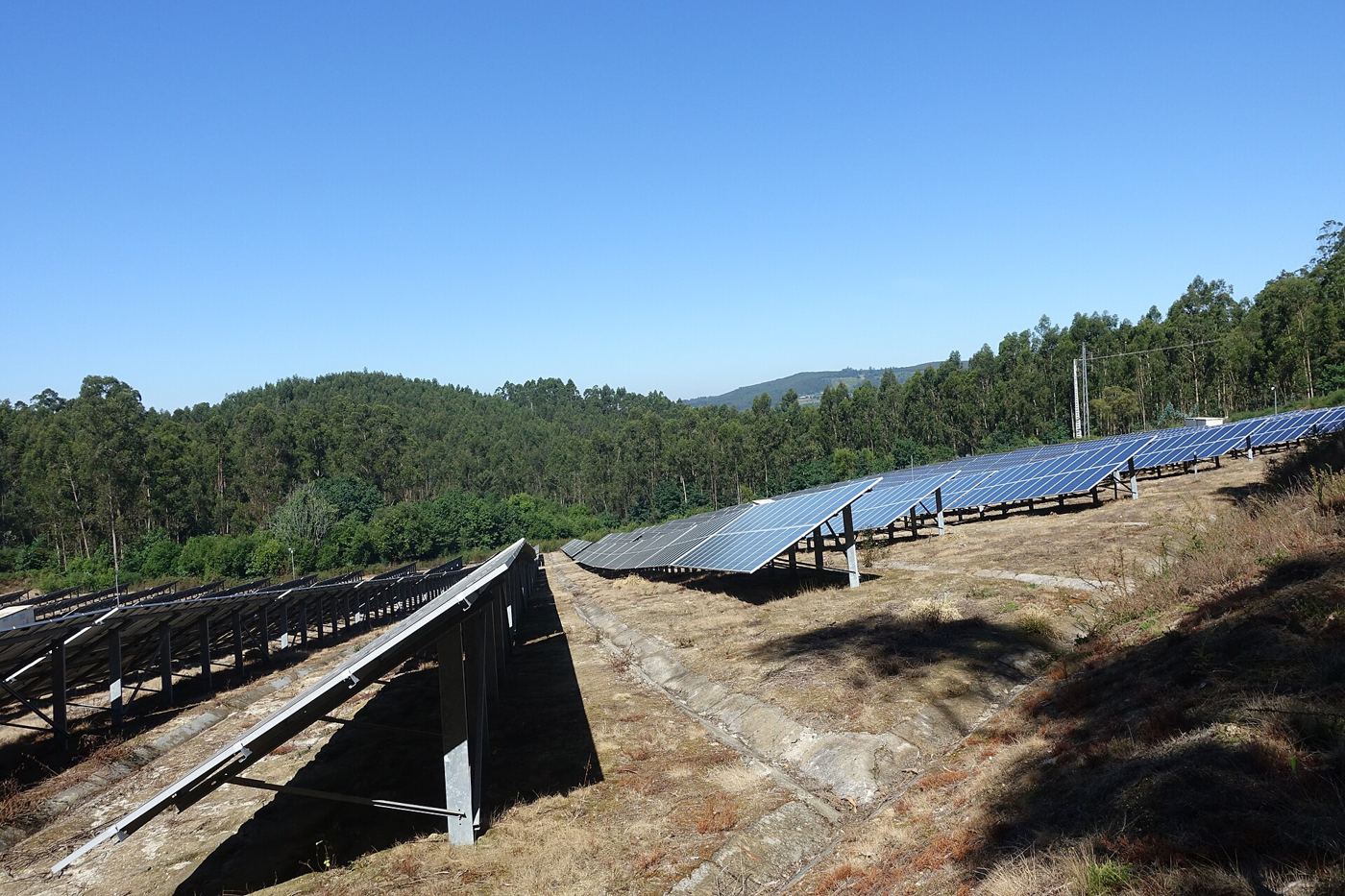
The world’s electricity system is being rebuilt at a pace that would have seemed implausible a decade ago. Renewable installations have set another annual record, with solar power accounting for the overwhelming majority of new capacity as panel prices fell and installation industrialised. In many markets, building new solar or wind is now cheaper than running existing fossil-fuel plants, a crossover that has flipped the energy transition from a policy project into an economic default — even as total emissions remind everyone how much remains to be done.
Solar’s Manufacturing Revolution
Solar’s dominance rests on manufacturing scale: factories producing panels by the hundreds of gigawatts have driven costs down a learning curve with few parallels in industrial history. Analysis from the World Economic Forum notes the strategic questions this raises — supply chains concentrated in a few countries, trade measures reshaping markets, and grids straining to absorb midday surges of near-free power. Storage deployment is racing to match, with batteries increasingly paired to solar farms as standard equipment.
Our news coverage follows where the build-out is fastest: large emerging economies adding capacity at historic rates, desert mega-projects exporting expertise, and rooftop solar quietly turning households into producers. Each context carries its own obstacles — land, financing costs, permitting — yet the technology’s modularity keeps finding routes around them, from floating solar on reservoirs to panels shading canals and crops.
The Grid Becomes the Bottleneck
Generation is no longer the hard part; integration is. Transmission lines take a decade to permit and build while solar farms take a year, leaving queues of finished projects waiting for connection in many countries. System operators are responding with smarter forecasting, flexible demand, regional interconnection and markets that pay batteries and responsive loads to balance the grid — an operational revolution chronicled by energy desks at Reuters.
The record year therefore carries a dual message. The technology to generate clean electricity cheaply and at scale exists and is deploying faster than almost every forecast — a genuine triumph of industry and policy. Whether it translates into falling emissions at the required speed now depends on the unglamorous work of grids, storage and permitting. The panels were the easy part; the system is the story of the next decade.
Jobs are following the capacity. Solar installation, grid engineering and battery manufacturing now employ millions worldwide, and workforce shortages — electricians above all — have become a binding constraint in several markets, prompting training programmes that recruit from declining fossil industries. That labour dimension may prove politically decisive: transitions endure when they create visible livelihoods in the places asked to change fastest. The record installation year is therefore also a hiring story, and the classrooms filling with apprentice electricians and grid technicians are as much a part of the energy transition as the panels on the roof.
The records will keep falling while costs do; the open question is whether grids, storage and politics can move quickly enough alongside them.
