Introduction
The entertainment industry has become the proving ground for artificial intelligence — a space where technology meets creativity, politics, and mass persuasion. From deepfake performances to AI-written scripts, the digital revolution is redefining how stories are told and who controls them.
Yet behind this transformation lies a deeper narrative about influence. Global media, celebrity voices, and political interests are converging, blurring the line between art, propaganda, and innovation.
AI and the Reinvention of Storytelling
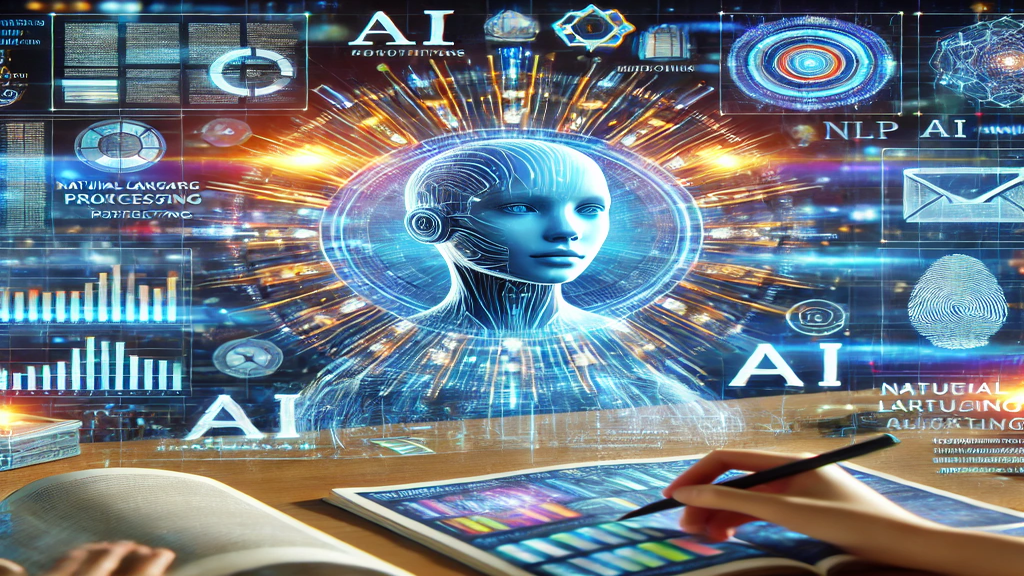
Artificial intelligence is reshaping how entertainment is created and consumed. Algorithms now assist in writing, casting, and editing, offering producers predictive insights into what audiences will love — even before filming begins.
From Hollywood to Bollywood, studios are adopting AI tools that reduce costs and increase precision, signaling the dawn of an era where creativity is both automated and algorithmic.
The Globalization of Digital Culture
Streaming platforms have turned entertainment into a borderless phenomenon. Netflix, Disney+, and Amazon Prime use AI-driven analytics to decide which stories appeal to different cultures, creating a globalized storytelling network.
This technological reach has transformed entertainment into soft power, allowing nations and companies to shape global perceptions through film and media.
Political Narratives in Pop Culture
Politics has always influenced storytelling, but in the age of AI, that influence is more calculated than ever. Political campaigns now use cinematic storytelling techniques and influencer collaborations to frame narratives and emotional connections with voters.
Whether it’s environmental activism or social justice, the blending of politics and entertainment has made ideology a marketable commodity.
Celebrities and the Power of Digital Personas
AI is also transforming celebrity culture itself. Virtual influencers, deepfake actors, and AI-generated public figures now attract millions of followers, challenging traditional ideas of fame and authenticity.
Real celebrities, meanwhile, leverage technology to maintain relevance — using data analytics to refine branding, manage audiences, and shape their digital identities in real time.
Media Ethics and the Rise of Synthetic Content
AI-generated entertainment raises ethical concerns about consent, originality, and artistic ownership. Deepfake videos, while often creative, can also be weaponized for misinformation or defamation.
Regulators and artists alike are calling for stricter digital content laws to protect integrity and prevent manipulation in the age of synthetic media.
The Future of AI-Driven Creativity
As artificial intelligence continues to evolve, it will not replace creativity — it will amplify it. Filmmakers and musicians are already using AI as a co-creator, producing works that blend human emotion with machine precision.
The challenge ahead lies in ensuring that creativity remains a human-centered pursuit, where technology serves expression, not exploitation.
FAQs
How is AI used in modern entertainment?
AI assists with editing, casting, audience prediction, and content creation, revolutionizing how media is produced and distributed.
Can AI replace human creativity?
AI can replicate style and emotion, but genuine creativity — the ability to feel and imagine — remains uniquely human.
Why is entertainment becoming more political?
Media reflects and shapes public discourse; political movements increasingly use entertainment to connect with global audiences.
What are virtual celebrities?
They are AI-generated personas designed to engage audiences on social platforms, often blending fiction and reality seamlessly.
Is AI-generated content ethical?
It depends on consent, transparency, and originality. Ethical frameworks are needed to ensure responsible creative use of AI.
Conclusion
The fusion of artificial intelligence, global media, and politics has redefined entertainment as both art and influence. Storytelling has become a form of power — a means to inspire, persuade, and shape identity.
As audiences enter this new digital stage, the question is no longer whether AI will change entertainment, but how humanity will guide the story it tells next.