

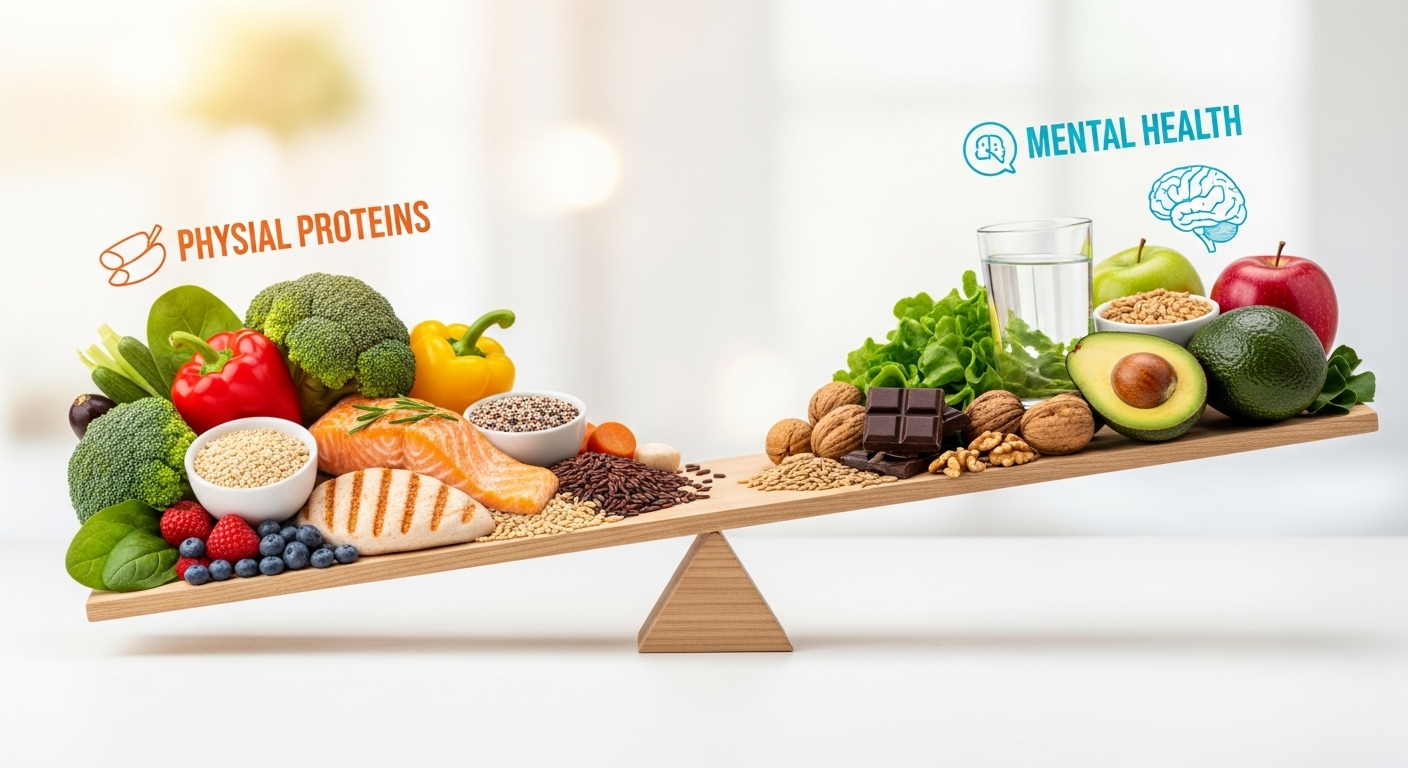
A balanced diet is one of the most important foundations of a healthy life because it provides the body and mind with essential nutrients required for proper functioning. The food we consume directly affects energy levels, immunity, brain performance, and emotional stability. When individuals eat a variety of nutritious foods in the right proportions, they experience better physical strength, improved concentration, and enhanced mental well-being. A balanced diet not only prevents diseases but also supports long-term health and happiness, making it a key factor in maintaining a strong and active lifestyle.
Essential Nutrients and Body Function
Carbohydrates as Energy Source
Carbohydrates are the body’s primary source of energy, helping individuals perform daily activities efficiently. They fuel the brain and muscles, ensuring proper physical and mental performance throughout the day. A balanced intake of healthy carbohydrates supports stamina and productivity.
Proteins for Growth and Repair
Proteins play a crucial role in building and repairing body tissues. They support muscle development and strengthen the immune system. Adequate protein intake is essential for growth, recovery, and maintaining overall body strength and health.
Healthy Fats Importance
Healthy fats support brain function, hormone production, and energy storage. They also help absorb essential vitamins in the body. Consuming the right amount of good fats contributes to better heart health and improved mental performance.
Vitamins for Body Protection
Vitamins help protect the body from diseases and support immune function. They regulate various body processes, including vision, skin health, and energy production. A diet rich in vitamins ensures overall physical well-being and disease prevention.
Minerals for Body Balance
Minerals like calcium, iron, and potassium maintain body balance and proper functioning. They support bone strength, oxygen transport, and muscle function. A mineral-rich diet is essential for maintaining overall health and stability.
Mental Health and Brain Function
Brain Performance Improvement
A balanced diet enhances brain function by providing essential nutrients that support memory and focus. Proper nutrition improves learning ability and cognitive performance, helping individuals stay mentally sharp and alert.
Mood Stability Support
Healthy eating habits help regulate mood by balancing hormones and brain chemicals. Nutrient-rich foods reduce irritability and anxiety, promoting emotional stability and a positive mindset in daily life.
Stress Reduction Through Nutrition
Certain nutrients help the body manage stress more effectively. A balanced diet supports nervous system health and reduces the impact of stress on the mind, leading to better emotional control.
Depression Risk Reduction
Proper nutrition plays a role in reducing the risk of depression by supporting brain chemistry. A healthy diet improves serotonin levels, which are linked to happiness and emotional well-being.
Mental Clarity Enhancement
Balanced nutrition improves mental clarity by providing steady energy to the brain. It helps individuals think clearly, make better decisions, and maintain focus in daily tasks.
Immune System Strengthening
Disease Resistance Improvement
A balanced diet strengthens the immune system, helping the body fight infections and illnesses. Proper nutrition ensures the body has the resources needed for defense mechanisms.
White Blood Cell Support
Nutrients in a healthy diet support the production and function of white blood cells. These cells play a key role in protecting the body from harmful bacteria and viruses.
Infection Prevention Role
Eating nutritious foods helps reduce the risk of infections by strengthening natural body defenses. A strong immune system ensures faster recovery and better health protection.
Healing and Recovery Support
A balanced diet speeds up recovery from injuries and illnesses. Nutrients help repair tissues and restore energy, ensuring the body heals efficiently and effectively.
Long-Term Immunity Maintenance
Consistent healthy eating habits build long-term immunity. A strong immune system reduces the frequency of illness and supports lifelong health and wellness.
Physical Strength and Energy Levels
Muscle Development Support
Protein-rich foods help build and maintain muscle strength. A balanced diet ensures proper muscle growth and physical endurance for daily activities and exercise.
Bone Health Improvement
Calcium and vitamin D strengthen bones and prevent conditions like osteoporosis. A nutrient-rich diet supports skeletal health and long-term mobility.
Energy Production Balance
A balanced diet provides steady energy throughout the day. Proper nutrition prevents fatigue and keeps the body active and productive.
Physical Stamina Increase
Healthy eating improves stamina by ensuring the body receives adequate fuel. This helps individuals perform physical tasks with greater efficiency and endurance.
Body Growth and Maintenance
Proper nutrition supports overall body growth and maintenance. It ensures that tissues, organs, and systems function effectively for long-term health.
Digestive System and Metabolism
Improved Digestion Process
A balanced diet rich in fiber supports healthy digestion. It helps the digestive system function smoothly and prevents issues like constipation.
Metabolism Regulation
Proper nutrition regulates metabolism, helping the body process food efficiently. A healthy metabolic rate supports weight control and energy balance.
Gut Health Maintenance
A nutritious diet supports healthy gut bacteria, which are essential for digestion and immunity. Good gut health improves overall wellness.
Nutrient Absorption Efficiency
A balanced diet enhances the body’s ability to absorb nutrients. Efficient absorption ensures that the body gets maximum benefit from food intake.
Detoxification Support
Healthy foods help the body eliminate toxins naturally. Proper detoxification supports liver function and overall internal health.
Healthy Weight and Lifestyle Balance
Weight Management Control
A balanced diet helps maintain a healthy body weight by regulating calorie intake. It prevents obesity and supports overall fitness.
Fat Reduction Support
Proper nutrition reduces excess body fat while maintaining muscle mass. This leads to a healthier and more balanced body composition.
Appetite Regulation Balance
Healthy foods help control hunger and reduce overeating. Balanced meals keep appetite stable and support better eating habits.
Lifestyle Habit Improvement
A nutritious diet encourages healthy lifestyle choices such as regular exercise and hydration. These habits improve long-term wellness.
Energy Balance Maintenance
A balanced diet ensures consistent energy levels throughout the day. It prevents sudden fatigue and supports active living.
Social and Emotional Well-being
Confidence and Self-Esteem Boost
Good nutrition improves physical appearance and energy, which enhances confidence. Feeling healthy contributes to better self-esteem and social interactions.
Emotional Stability Support
Balanced eating habits help regulate emotions by stabilizing brain chemicals. This leads to better mood control and reduced emotional stress.
Social Interaction Improvement
Healthy individuals tend to participate more actively in social activities. Good nutrition supports energy and confidence in social environments.
Quality of Life Enhancement
A balanced diet improves overall quality of life by supporting physical and mental health. It helps individuals enjoy daily activities more fully.
Happiness and Well-being Growth
Proper nutrition supports the production of hormones linked to happiness. A healthy diet contributes to long-term emotional satisfaction.
Technology and Nutritional Awareness
Health Tracking Applications
Mobile apps help individuals monitor their food intake and nutrition levels. These tools promote awareness and better dietary choices.
Online Nutrition Guidance
Digital platforms provide access to expert dietary advice and meal planning. This helps individuals make informed food decisions.
Smart Food Monitoring Devices
Wearable and smart devices track calories and nutrients. They help users maintain balanced eating habits effectively.
Virtual Diet Consultation
Online consultations with nutritionists provide personalized diet plans. This improves health management and dietary accuracy.
AI-Based Diet Planning
Artificial intelligence creates customized diet plans based on individual needs. This improves efficiency in achieving health goals.
Balanced Diet Overview
| Nutrient Group | Main Benefit | Health Impact |
|---|---|---|
| Carbohydrates | Energy Supply | Active Lifestyle |
| Proteins | Growth & Repair | Strong Body |
| Vitamins | Disease Protection | Better Immunity |
| Minerals | Body Balance | Healthy Function |
| Fats | Brain Support | Mental Health |
| Fiber | Digestion | Gut Health |
| Water | Hydration | Overall Wellness |
Why is a balanced diet important for health?
It provides essential nutrients needed for physical and mental well-being.
How does diet affect mental health?
Healthy food supports brain function and improves mood stability.
Can a balanced diet improve immunity?
Yes, it strengthens the immune system and prevents diseases.
What happens if diet is not balanced?
Poor diet can lead to weakness, illness, and mental stress.
How does diet affect energy levels?
Balanced nutrition provides steady energy for daily activities.
Conclusion
A balanced diet plays a crucial role in improving both physical and mental health by supplying essential nutrients needed for body function. It strengthens immunity, enhances brain performance, supports emotional stability, and boosts energy levels. When individuals maintain healthy eating habits, they enjoy a better quality of life, improved fitness, and long-term wellness, making balanced nutrition essential for overall health and happiness.
