
Close Menu
Newstwice

    Subscribe to Updates

    Get the latest creative news from FooBar about art, design and business.

    What's Hot

    Two New Bandicoot Species Found After a Decade in Museum Drawers

    November 22, 2026

    One Infusion of Gene-Editing Therapy Cuts ‘Bad’ Cholesterol by 62%

    November 22, 2026

    How to Recognize Suspicious Gaming Links

    November 21, 2026
    Facebook X (Twitter) Instagram
    Facebook X (Twitter) Instagram YouTube
    Newstwice
    • Home
    • Business
    • Education
    • Entertainment
    • Global News
    • Health
    • Politics
    • Technology
    Newstwice
    Home»Blog»New Lunar Maps Pinpoint Shadows Where Water Ice Stays Hidden
    Blog

    New Lunar Maps Pinpoint Shadows Where Water Ice Stays Hidden

    Kwaku BoakyeBy Kwaku BoakyeNovember 1, 2026No Comments3 Mins Read5 Views
    Facebook Twitter Pinterest LinkedIn Telegram Tumblr Email
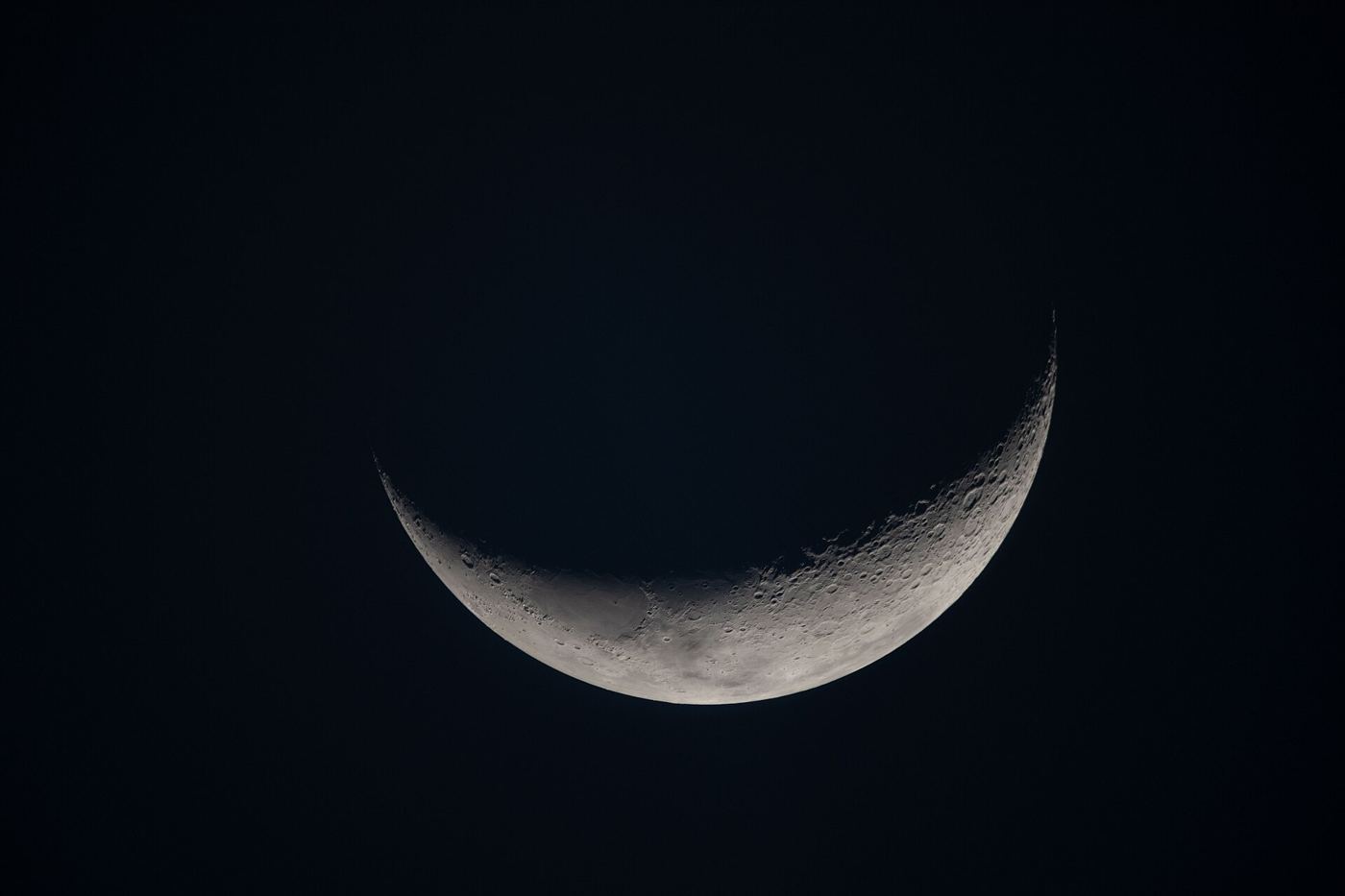
    Cratered lunar surface in shadow near the Moon's polar region
    Share
    Facebook Twitter LinkedIn Pinterest Email

    New high-resolution maps of the Moon’s south pole are pinpointing craters that never receive direct sunlight, where water ice is thought to survive for billions of years. Orbiting instruments have combined temperature readings, radar reflections and shadow modelling to rank these cold traps by likely ice content. The results matter for future landing sites, because accessible ice could supply drinking water, oxygen and even rocket propellant for crews working far from Earth supply lines.

    What the Evidence Shows

    Mission planners say the maps narrow a vast polar region down to a shortlist of slopes that rovers could realistically reach without losing solar power for long. Engineers are now testing drills and heaters designed to extract ice from soil that is colder than minus 200 degrees Celsius. Scientists caution that orbital signals still need ground confirmation, so the next generation of lunar rovers will sample several sites before any permanent extraction plans are approved. Reporting and analysis from sources such as NASA track the same developments, and specialists following the new lunar polar ice maps say the direction is now consistent across independent lines of evidence.

    The Wider Context

    Funding bodies are watching the new lunar polar ice maps closely because the work sits at the junction of basic curiosity and practical return. Grant panels increasingly ask for a path from discovery to application, while researchers push back that the most valuable uses of fundamental science are rarely the ones written into the original proposal. The tension is productive when both sides stay honest about timescales.

    What Happens Next

    The long view on the new lunar polar ice maps is that fields advance by accumulation rather than by single announcements. This result adds a solid, checkable piece to a structure many teams are building, and its authors have shared their data so the piece can be tested from every side. That is how the picture eventually becomes reliable enough to act on. You can follow related developments in our coverage of science.

    It is also worth remembering how quickly the picture in this area has changed before. Positions that looked settled a few years ago have been revised as new data arrived, and the same humility is appropriate now. The strongest coverage of this subject, and the most useful advice, tends to come from sources that update their views openly when the facts move, rather than defending an earlier position long after it has stopped fitting the evidence available.

    None of this will be settled by a single announcement, study or product launch. The pattern to watch is accumulation: independent confirmations, honest reporting of failures and steady improvement in the underlying numbers. Readers who follow those signals, rather than the loudest claim of the week, will understand this subject better than most of the commentary surrounding it suggests is possible.

    Moon space exploration water ice
    Share. Facebook Twitter Pinterest LinkedIn Tumblr Email
    Kwaku Boakye

    Related Posts

    Two New Bandicoot Species Found After a Decade in Museum Drawers

    November 22, 2026

    How to Recognize Suspicious Gaming Links

    November 21, 2026

    Artemis II Carries Four Astronauts Around the Moon for the First Time in Over 50 Years

    November 21, 2026

    NASA’s Nuclear Rover Heads for the Moon’s South Pole

    November 18, 2026

    Auroras Paint the Polar Sky With Solar Wind

    November 16, 2026

    Deep Ocean Currents Carry Heat Across the Planet

    November 15, 2026
    Leave A Reply Cancel Reply

    Top Posts

    Teachers Play Important Role In Education System

    June 1, 202622 Views

    Architectural Precision: How to Filter 3 to 5 High-Probability Bundesliga Matches for Multi-Bet Accumulators

    August 23, 202621 Views

    Business Success Depends On Smart Financial Planning

    June 1, 202614 Views

    Technology Connects People Across The World Easily

    June 1, 202614 Views

    Technology Is Transforming Everyday Life Around Us

    June 1, 202614 Views
    About

    NewsTwice delivers in-depth coverage of artificial intelligence, global affairs, business innovation, technology trends, health breakthroughs, and entertainment news, providing readers with fresh perspectives on the stories shaping the modern world.

    Most Popular

    Teachers Play Important Role In Education System

    June 1, 202622 Views

    Architectural Precision: How to Filter 3 to 5 High-Probability Bundesliga Matches for Multi-Bet Accumulators

    August 23, 202621 Views
    Contact Us

    For general questions, support, or content-related inquiries

    Email: tech4english@gmail. com
    Phone: +358 44 952 3404

    • About Us
    • Contact Us
    • Disclaimer
    • Privacy Policy
    • Terms & Conditions
    • Write For Us
    © 2026 | All Right Reserved by | NewsTwice.

    Type above and press Enter to search. Press Esc to cancel.

    WhatsApp us