

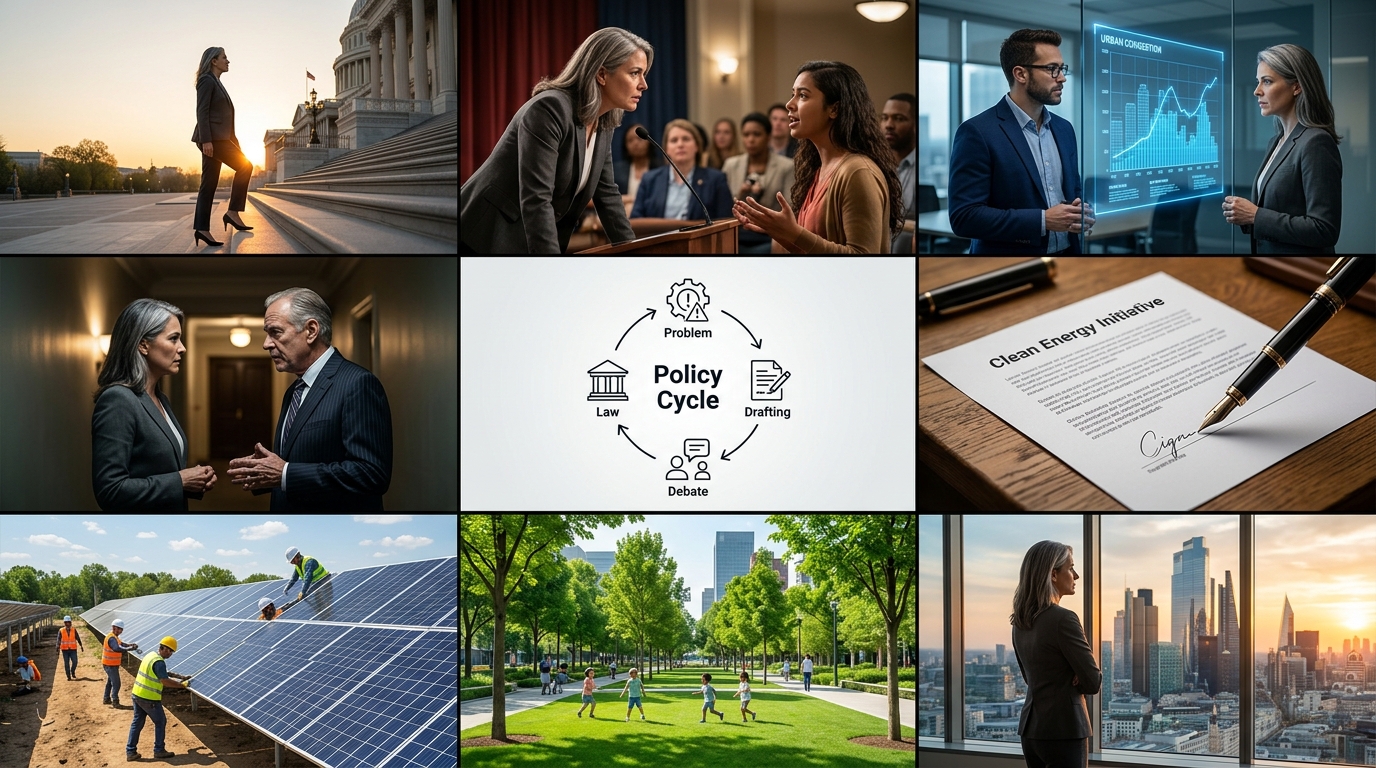
Leadership and politics are deeply connected to the way public policies are created, implemented, and evaluated in any nation. Political leaders shape national priorities, while political systems determine how decisions are made and executed. Public policy development reflects the vision, ideology, and competence of those in power, influencing everything from education and healthcare to economy and infrastructure. Strong leadership ensures that policies are practical, inclusive, and focused on long-term national progress, while effective political frameworks ensure accountability, transparency, and public participation in governance.
Political Leadership and Decision Authority
Vision-Based Leadership Direction
Political leaders set the overall direction of public policy by defining national goals and priorities. Their vision influences long-term development strategies and shapes government action. Clear leadership vision helps align policies with public needs and ensures consistent progress toward national development objectives.
Executive Power in Policy Making
Executive authorities play a central role in shaping and approving public policies. They interpret laws, guide government departments, and implement decisions. Strong executive leadership ensures efficient policy execution while maintaining coordination between different branches of government for effective governance.
Leadership Accountability Systems
Accountability mechanisms ensure that political leaders are responsible for their policy decisions. Transparent systems allow citizens to evaluate government performance. Accountability strengthens public trust, improves governance quality, and encourages leaders to make informed and ethical policy decisions.
Strategic National Planning
Political leadership involves designing long-term plans that guide national growth and stability. Strategic planning helps governments anticipate challenges and allocate resources effectively. Well-planned strategies ensure that public policies support sustainable development and address future societal needs.
Crisis Leadership Decision-Making
During emergencies, political leaders make rapid policy decisions to protect citizens and manage risks. Effective crisis leadership ensures stability and quick response. These decisions often shape public trust and determine the government’s ability to handle national challenges efficiently.
Political Systems and Policy Formation
Democratic Policy Structures
In democratic systems, public policies are developed through elected representatives and public participation. Citizens influence decisions through voting and consultation. This system ensures that policies reflect public needs and promote fairness, inclusivity, and transparency in governance.
Legislative Framework Development
Legislatures create laws that serve as the foundation for public policy. Lawmakers debate, amend, and approve policy proposals. This process ensures that policies are carefully reviewed and aligned with constitutional principles and national interests before implementation.
Bureaucratic Implementation Roles
Government institutions and civil servants are responsible for implementing policies created by political leaders. Bureaucracies ensure that policies are executed efficiently and consistently. Their role is essential in translating political decisions into practical outcomes for society.
Political Party Influence
Political parties shape policy development based on their ideologies and agendas. Party platforms guide decision-making and policy priorities. The ruling party’s vision often determines the direction of national policies and their focus areas, such as economy or social welfare.
Electoral Mandate Impact
Election outcomes influence which policies are prioritized by governments. Leaders implement policies based on promises made during campaigns. Electoral mandates ensure that public opinion plays a role in shaping governance and national policy direction.
Economic Policy Development and Governance
Fiscal Policy Decisions
Political leaders determine government spending and taxation policies that influence economic stability. Fiscal policies affect inflation, employment, and public investment. Responsible fiscal management supports economic growth while ensuring efficient use of national resources.
Monetary Policy Coordination
Governments work with central banks to regulate money supply and interest rates. Political decisions influence monetary stability and economic performance. Effective coordination helps control inflation, stabilize currency, and support sustainable economic development.
Investment and Development Policies
Political leadership creates policies that attract domestic and foreign investment. Investment-friendly environments promote economic growth and innovation. These policies encourage business expansion, job creation, and infrastructure development across different sectors.
Employment Policy Strategies
Governments design employment policies to reduce unemployment and improve workforce participation. Training programs and job creation initiatives support economic inclusion. Effective employment strategies strengthen national productivity and improve living standards.
Trade and Industry Regulations
Political decisions regulate trade policies and industrial development. These regulations influence exports, imports, and market competitiveness. Balanced trade policies support economic growth while protecting domestic industries and encouraging global trade participation.
Social Policy and Public Welfare
Education Policy Formation
Political leaders shape education systems through funding, curriculum design, and institutional reforms. Education policies determine access and quality of learning. Strong educational frameworks promote literacy, skill development, and long-term national progress.
Healthcare System Development
Public healthcare policies ensure access to medical services and improve public health outcomes. Governments allocate resources for hospitals, medicines, and healthcare programs. Effective healthcare policies contribute to healthier populations and economic productivity.
Social Equality Initiatives
Political systems develop policies that promote equality and reduce discrimination. These initiatives ensure equal opportunities for all citizens. Social equality policies strengthen national unity and improve overall societal stability and cohesion.
Welfare Support Programs
Governments provide financial and social assistance to vulnerable groups. Welfare programs include unemployment benefits, housing support, and poverty reduction schemes. These policies improve living standards and reduce social inequality across communities.
Community Development Projects
Political leadership supports local development initiatives that improve infrastructure and services. Community-focused policies enhance quality of life and strengthen regional growth. These projects encourage balanced development across urban and rural areas.
Political Ideology and Policy Direction
Ideological Policy Frameworks
Political ideologies influence how policies are designed and implemented. Different ideologies prioritize economic growth, social welfare, or individual freedom. These frameworks shape government decisions and determine national policy direction.
Conservative Policy Approaches
Conservative leadership focuses on stability, tradition, and gradual reform. Policies under this ideology often emphasize fiscal discipline and institutional continuity. Conservative approaches aim to maintain order while supporting controlled development.
Liberal Policy Approaches
Liberal political systems prioritize social equality, innovation, and progressive reforms. Policies focus on expanding rights and opportunities for citizens. Liberal approaches encourage change and adaptation to modern societal needs.
Socialist Policy Principles
Socialist-oriented policies emphasize equality, public ownership, and social welfare. Governments focus on reducing inequality through state intervention. These policies aim to ensure fair distribution of resources and support disadvantaged populations.
Mixed Economic Policy Systems
Many nations adopt mixed systems combining elements of different ideologies. These policies balance market freedom with government intervention. Mixed approaches aim to achieve both economic growth and social welfare simultaneously.
Governance Challenges and Policy Effectiveness
Policy Implementation Barriers
Even well-designed policies may face challenges during implementation. Administrative delays and resource limitations can reduce effectiveness. Overcoming these barriers requires strong governance and efficient institutional coordination.
Political Conflict and Decision Delays
Political disagreements can slow down policy development and approval processes. Conflicts between parties or institutions may affect governance efficiency. Resolving disputes is essential for timely and effective policy implementation.
Corruption and Governance Issues
Corruption can undermine public policy effectiveness and reduce public trust. Weak governance systems may lead to mismanagement of resources. Strong accountability measures are necessary to ensure transparency and integrity in policymaking.
Public Opinion Influence
Citizen feedback plays an important role in shaping policies. Governments consider public opinion to ensure policies meet societal needs. Active public engagement strengthens democratic governance and improves policy relevance.
Policy Evaluation and Reform
Governments regularly assess policies to measure effectiveness and outcomes. Evaluation helps identify weaknesses and areas for improvement. Policy reform ensures continuous improvement and adaptation to changing societal needs.
Technology and Modern Policy Making
Digital Governance Systems
Technology improves policy development through digital platforms that enhance efficiency and transparency. Governments use online systems for service delivery and data management. Digital governance strengthens public access and administrative performance.
Data-Driven Decision Making
Political leaders use data analytics to design effective policies. Data provides insights into economic, social, and environmental conditions. Evidence-based decisions improve policy accuracy and outcomes for society.
E-Government Services
Online government services make policy implementation more accessible and efficient. Citizens can access public services digitally. E-government systems improve convenience and reduce administrative delays in policy execution.
Artificial Intelligence in Governance
AI technologies support policy analysis and decision-making processes. Artificial intelligence helps predict outcomes and optimize governance strategies. These tools improve efficiency and enhance public sector performance.
Smart Policy Monitoring Systems
Technology enables real-time monitoring of policy outcomes and government performance. Smart systems track progress and identify issues early. Monitoring tools ensure accountability and improve policy effectiveness.
Future of Policy Development and Leadership
Evolving Political Leadership Models
Modern leadership is becoming more collaborative and technology-driven. Leaders rely on innovation and data to guide decisions. Evolving leadership models improve governance effectiveness and adaptability.
Global Policy Collaboration
Countries increasingly work together to address global challenges such as climate change and economic stability. International cooperation strengthens policy outcomes and promotes shared development goals.
Sustainable Governance Strategies
Future policies focus on sustainability and long-term resource management. Governments aim to balance economic growth with environmental protection. Sustainable governance ensures long-lasting benefits for future generations.
Citizen-Centric Policy Design
Modern policy development increasingly focuses on citizen needs and participation. Governments design policies that prioritize public welfare. Citizen-centric approaches improve trust and governance effectiveness.
Innovation in Public Administration
Technological innovation continues to transform policy development and governance systems. Digital tools improve efficiency and transparency. Innovation ensures that public administration remains effective in a rapidly changing world.
Leadership and Policy Impact Overview
| Area | Leadership Influence | Policy Outcome |
|---|---|---|
| Economy | Strategic Planning | Growth and Stability |
| Education | Reform Decisions | Skilled Society |
| Healthcare | Resource Allocation | Better Health Services |
| Governance | Executive Authority | Effective Administration |
| Social Welfare | Inclusion Policies | Reduced Inequality |
| Technology | Digital Governance | Efficient Services |
| International Relations | Diplomatic Strategy | Global Cooperation |
How does leadership influence public policy development?
Leadership shapes national priorities, decision-making processes, and implementation of government policies.
Why is political leadership important in policymaking?
Political leadership ensures direction, accountability, and effective execution of public policies.
How do political systems affect policy development?
Political systems determine how laws are made, approved, and implemented in a country.
What role does public opinion play in policymaking?
Public opinion helps guide government decisions and ensures policies reflect societal needs.
How does technology improve policy development?
Technology enables data-driven decisions, digital governance, and better policy monitoring.
Conclusion
Leadership and politics play a central role in shaping public policy development by guiding decisions, defining priorities, and ensuring effective governance. Strong leadership combined with transparent political systems creates policies that support economic growth, social welfare, and national progress. As societies advance, modern governance must focus on innovation, accountability, and citizen needs to build a more effective and sustainable future.
