

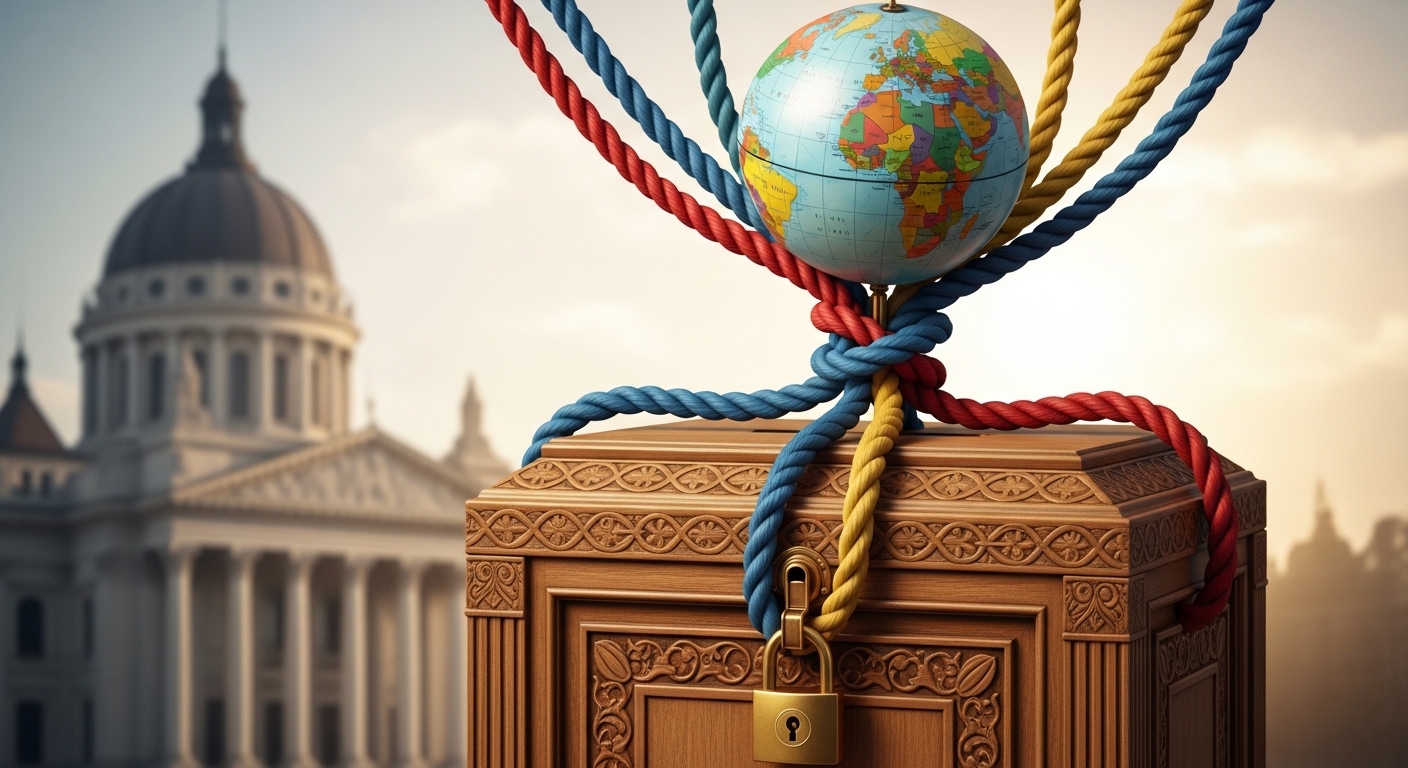
Politics is the foundation of any democratic system, guiding how governments are formed, how decisions are made, and how citizens are represented. In a democracy, political processes ensure that power remains in the hands of the people through elections, participation, and accountability. Political institutions and leaders shape laws, policies, and national priorities while reflecting public opinion and societal needs. Without politics, democracy cannot function effectively, as it provides structure, direction, and balance between governance and citizen rights. It also ensures transparency, equality, and stability within a nation.
Democratic Governance and Political Structure
Electoral Systems and Representation
Electoral systems allow citizens to choose their leaders through fair voting processes. Representation ensures that diverse voices are included in government decision-making. These systems strengthen democracy by giving people the power to influence national direction and leadership.
Separation of Powers
Democratic systems divide government authority among executive, legislative, and judicial branches. This separation prevents misuse of power and ensures accountability. Each branch operates independently while maintaining balance within the political system to protect democratic values and citizens’ rights.
Constitutional Framework
The constitution defines the structure of government and protects citizens’ rights. It establishes legal boundaries for political actions and ensures fairness in governance. A strong constitutional framework supports democracy by maintaining law, order, and equality for all citizens.
Rule of Law Principles
The rule of law ensures that everyone, including political leaders, follows the same legal system. It prevents abuse of power and guarantees justice. This principle strengthens democracy by promoting fairness, accountability, and trust in government institutions.
Government Accountability Systems
Accountability mechanisms ensure that elected officials are responsible for their actions. Through audits, elections, and public oversight, governments remain answerable to citizens. This transparency improves governance quality and strengthens democratic trust and participation.
Political Participation and Citizen Engagement
Voting and Elections
Voting is the most important form of political participation in a democracy. It allows citizens to choose their representatives and influence government decisions. Free and fair elections ensure that leadership reflects the will of the people.
Civic Engagement Activities
Citizens participate in democracy through discussions, protests, and community involvement. Civic engagement helps shape policies and encourages governments to address public concerns. Active participation strengthens democratic values and promotes social awareness.
Political Awareness and Education
Political awareness helps citizens understand their rights and responsibilities. Education encourages informed decision-making during elections and public debates. A politically aware society supports stronger democracy and better governance outcomes.
Public Opinion Influence
Public opinion plays a major role in shaping government policies. Leaders consider citizen feedback when making decisions. This interaction between the public and government ensures that democracy remains responsive and inclusive.
Media and Information Flow
Media provides information about political events, policies, and government actions. It helps citizens stay informed and participate effectively in democracy. A free and responsible media strengthens transparency and accountability in political systems.
Political Parties and Democratic Competition
Party Systems and Ideologies
Political parties represent different ideologies and policy approaches. They offer choices to voters during elections. Party systems create healthy competition, which improves governance and ensures diverse viewpoints are represented in democracy.
Election Campaign Strategies
Political campaigns help parties communicate their ideas and policies to the public. Campaigns influence voter decisions and shape electoral outcomes. Effective communication during campaigns strengthens democratic engagement and political awareness.
Coalition Governments
In many democracies, multiple parties form coalitions to govern together. Coalition governments encourage cooperation and compromise. This system ensures broader representation and balanced decision-making in political leadership.
Opposition Role in Democracy
Opposition parties monitor government actions and provide alternative policies. They ensure accountability and prevent misuse of power. A strong opposition is essential for maintaining balance and fairness in democratic systems.
Political Ideology Differences
Different ideologies such as liberalism, conservatism, and socialism shape political debates. These differences encourage discussion and policy development. Ideological diversity strengthens democracy by offering multiple solutions to national issues.
Law Making and Policy Development
Legislative Processes
Laws are created through structured legislative procedures in democratic systems. Elected representatives debate and approve policies. This process ensures that laws reflect public needs and democratic principles.
Policy Formation and Implementation
Governments design policies to address social, economic, and political challenges. Once approved, these policies are implemented by administrative institutions. Effective policy-making ensures national development and citizen welfare.
Public Consultation Mechanisms
Democratic governments often seek public input before making important decisions. Consultations improve policy quality and ensure citizen participation. This process strengthens trust between the government and the public.
Budget Planning and Allocation
Government budgets determine how national resources are distributed. Political decisions influence spending on healthcare, education, and infrastructure. Proper budgeting supports development and ensures efficient use of public funds.
Legal Reforms and Amendments
Democratic systems allow laws to be updated through amendments. Reforms ensure that legal systems remain relevant and effective. Political leadership plays a key role in introducing necessary changes for societal progress.
Democracy and Human Rights Protection
Freedom of Speech
Freedom of speech allows citizens to express opinions without fear. It is a core democratic principle that supports open dialogue and accountability. Political systems protect this right to ensure transparency in governance.
Equality Before Law
Democracy ensures that all citizens are treated equally under the law. Political systems establish justice and fairness for everyone. Equality strengthens trust in institutions and promotes social harmony.
Civil Liberties Protection
Civil liberties include rights such as privacy, expression, and association. Governments protect these freedoms through laws and policies. Strong protection of liberties is essential for a healthy democracy.
Human Rights Institutions
Independent institutions monitor and protect human rights. They ensure that governments respect citizen freedoms. These institutions play a crucial role in maintaining democratic integrity and justice.
Minority Rights Safeguards
Democratic systems protect the rights of minority groups. Political policies ensure inclusion and prevent discrimination. Safeguarding minority rights promotes equality and strengthens national unity.
Political Stability and National Development
Peaceful Governance Systems
Stable political systems promote peace and development within society. Peaceful governance encourages investment and social progress. Stability is essential for long-term democratic success.
Conflict Resolution Mechanisms
Democratic systems resolve conflicts through dialogue and legal processes. Peaceful resolution prevents violence and maintains order. Political institutions ensure fair solutions to disputes.
National Security Policies
Governments develop policies to protect citizens and maintain sovereignty. Security measures ensure stability and safety within the country. Political leadership is responsible for maintaining national defense.
Economic Stability Through Politics
Political decisions influence inflation, employment, and economic growth. Stable governance creates confidence in markets. Economic stability supports national development and citizen wellbeing.
Social Unity and Integration
Democracy promotes unity by respecting diversity and encouraging inclusion. Political systems create policies that bring communities together. Social harmony strengthens national identity and stability.
Technology and Modern Democracy
Digital Voting Systems
Technology improves elections through secure and efficient digital voting systems. These systems increase accessibility and transparency. Digital tools strengthen democratic participation and reduce administrative challenges.
E-Governance Platforms
Governments use digital platforms to deliver public services efficiently. E-governance improves communication between citizens and institutions. It enhances transparency and reduces delays in administrative processes.
Social Media Influence
Social media plays a major role in political communication and awareness. It allows citizens to share opinions and engage with leaders. However, it also requires responsible use to prevent misinformation.
Data-Driven Decision Making
Governments use data analytics to improve policy decisions. Data helps leaders understand public needs and trends. Evidence-based decisions strengthen governance and democratic effectiveness.
Cybersecurity in Democracy
Cybersecurity protects digital democratic systems from threats and manipulation. Secure systems ensure fair elections and data protection. Strong cybersecurity is essential for modern democratic stability.
Future of Democracy and Political Evolution
Youth Participation in Politics
Young people play an important role in shaping future democracies. Their participation brings innovation and fresh perspectives. Encouraging youth engagement strengthens political systems and future leadership.
Global Democratic Cooperation
Countries collaborate to promote democratic values worldwide. International cooperation supports peace, human rights, and development. Shared democratic principles strengthen global stability.
Technological Transformation of Politics
Technology continues to reshape political systems and governance methods. Digital tools improve transparency, participation, and efficiency. This transformation makes democracy more accessible and responsive.
Environmental Policy Development
Democratic governments address environmental challenges through policy-making. Political decisions support sustainability and climate protection. Environmental policies ensure long-term global wellbeing.
Strengthening Democratic Institutions
Strong institutions are essential for maintaining democracy. Political leadership ensures accountability, fairness, and efficiency. Institutional development supports long-term democratic stability.
Democracy Impact Overview
| Area | Political Role | Democratic Outcome |
|---|---|---|
| Elections | Representation | Public Participation |
| Law Making | Policy Creation | Fair Governance |
| Rights | Protection | Freedom & Equality |
| Economy | Policy Decisions | Stability & Growth |
| Society | Inclusion | Social Harmony |
| Technology | Digital Governance | Transparency |
| Institutions | Accountability | Strong Democracy |
Why is politics important in democracy?
Politics ensures representation, decision-making, and governance based on public participation.
How do elections support democracy?
Elections allow citizens to choose leaders and influence government policies.
What role do political parties play in democracy?
Political parties represent ideologies and provide choices to voters.
How does democracy protect human rights?
Democratic systems establish laws that safeguard freedom, equality, and justice.
How is technology changing democracy?
Technology improves voting systems, transparency, communication, and public participation.
Conclusion
Politics plays a vital role in democracy by ensuring representation, accountability, and fair governance. It connects citizens with decision-making processes and protects fundamental rights and freedoms. Through elections, institutions, and policies, politics strengthens democratic values and national stability. As societies evolve, active political participation and transparent governance remain essential for maintaining a strong, inclusive, and successful democratic system.
